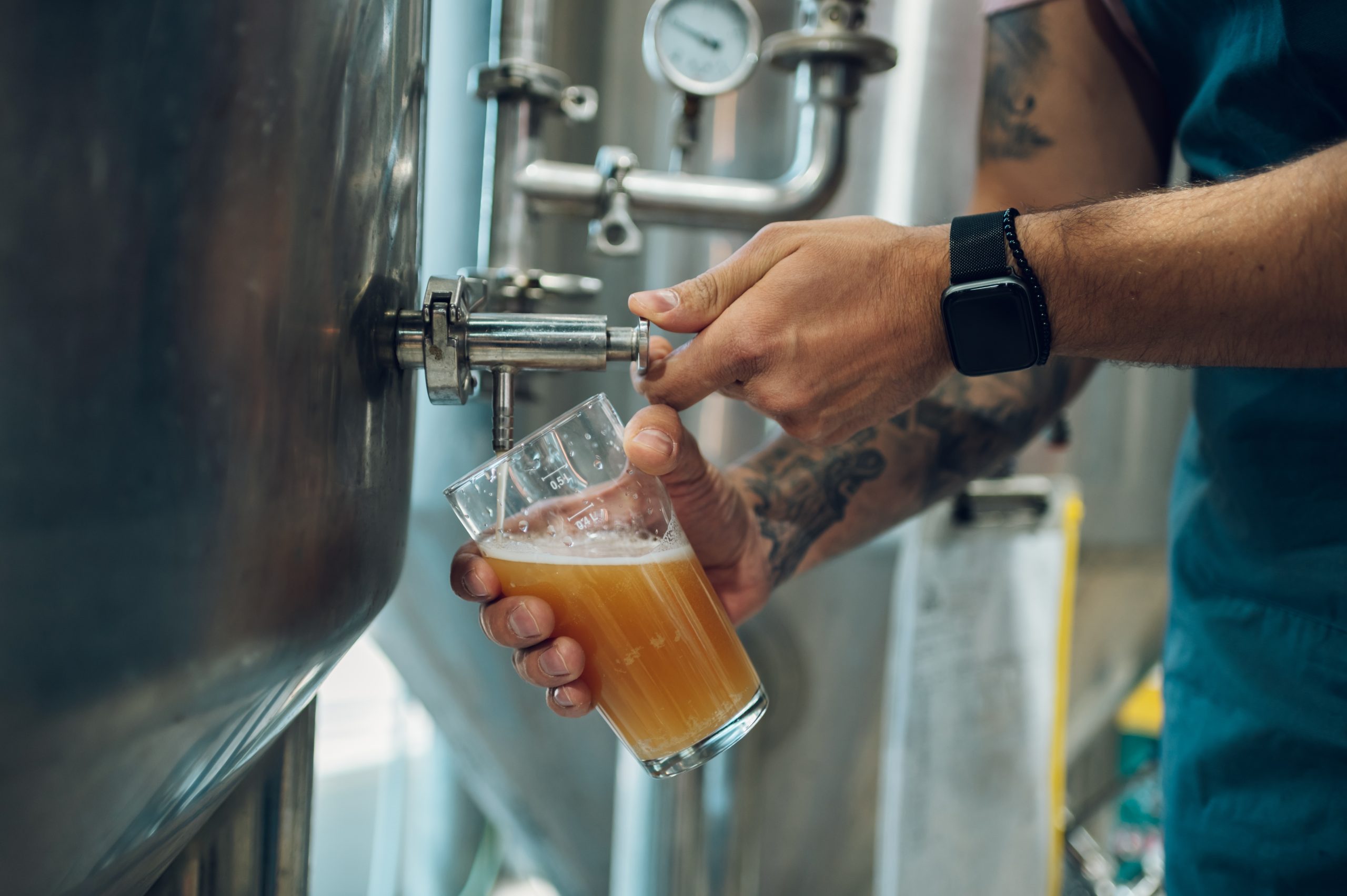
Beerstone, a stubborn calcium oxalate deposit, poses a significant challenge for breweries, building up in tanks and pipes, threatening beer quality and equipment efficiency. Beerstone prevention additives—specialized surfactants and chelating agents—enhance Clean-in-Place (CIP) systems, working with chemicals like caustic soda to ensure effective cleaning. These brewery CIP solutions combat beerstone while meeting food safety standards, making them essential for breweries and distributors in 2025. By using beerstone prevention additives, breweries can maintain hygiene, reduce downtime, and improve sustainability. This guide explores how beerstone prevention additives optimize CIP processes for breweries and distributors.
Why Beerstone Is a Brewery Challenge
Beerstone forms when calcium from water combines with oxalates during brewing, creating hard deposits in fermentation tanks and heat exchangers. If untreated, it alters beer flavor and increases cleaning time. This all can be addressed by:
- Enhancing Cleaning: Chelating agents dissolve beerstone, reducing rinse cycles.
- Protecting Equipment: Additives prevent scale, extending stainless steel life.
- Ensuring Quality: Clean equipment maintains consistent beer taste, crucial for brand reputation.
Distributors offering brewery CIP solutions help clients align with sustainability goals from the Brewers Association (opens in new tab).
Benefits of CIP Additives for Breweries
Beerstone prevention additives provide significant advantages for breweries and distributors:
- Efficiency: Additives cut cleaning time, saving water and energy.
- Sustainability: Bio-based chelants reduce environmental impact.
- Compliance: Additives meet FDA Food Safety Modernization Act standards (opens in new tab), ensuring food safety.
- Versatility: Solutions suit craft and large-scale breweries, broadening market reach.
These benefits make brewery CIP solutions a key offering for distributors targeting quality-focused clients.
Selecting Effective CIP Additives
Choosing the right cleaning solution depends on brewery needs and CIP system requirements. Key options include:
- Chelating Agents: EDTA or gluconates, like those in AlkaBoost, dissolve beerstone, boosting caustic soda efficacy.
- Low-Foam Surfactants: Non-ionic surfactants ensure efficient rinsing in high-pressure systems.
- Enzyme Additives: These target organic residues like proteins, complementing beerstone prevention.
Distributors should source brewery CIP solutions to meet diverse brewery requirements, ensuring optimal performance.
Applications in Craft and Large Breweries
Beerstone prevention additives serve breweries of all types:
- Craft Breweries: Low-foam surfactants reduce water use in compact CIP systems.
- Large Breweries: Chelating agents prevent beerstone in high-volume tanks.
- Specialty Brews: IPAs with heavy hop residues require robust additives for thorough cleaning.
Distributors offering solutions like pHlexStream for pH-balanced cleaning can address varied brewery needs, enhancing client trust.
Sourcing High-Quality Additives
Distributors must partner with reliable suppliers for beerstone prevention additives. Considerations include:
- Quality: High-performance additives ensure effective beerstone removal.
- Regulatory Support: Suppliers should provide Safety Data Sheets (SDS) for FDA and EU compliance.
- Customization: Tailored blends tackle specific soils, like hop oils.
- Supply Chain: Global sourcing ensures reliable delivery for brewery schedules.
Suppliers with expertise in CIP cleaning help distributors deliver additives that exceed client expectations.
Marketing CIP Cleaning Solutions
To promote beerstone prevention additives, distributors should:
- Emphasize Benefits: Highlight water savings and beer quality to attract breweries.
- Leverage Digital Channels: Use websites and LinkedIn, targeting keywords like “beerstone prevention additives.”
- Provide Technical Support: Offer brewery cleaning guides to showcase additive value.
- Foster Partnerships: Collaborate with breweries for tailored solutions, building loyalty.
These strategies expand reach to breweries and other distributors, boosting brand visibility.
Overcoming Implementation Hurdles
Implementing beerstone prevention additives may involve challenges:
- System Compatibility: Test additives with existing CIP chemicals and equipment.
- Client Education: Inform breweries about beerstone prevention benefits to encourage adoption.
- Cost Concerns: High-performance additives may cost more; flexible order sizes help.
A trusted supplier offering technical and regulatory support ensures successful use of brewery CIP solutions.
Conclusion
Beerstone prevention additives are vital for breweries aiming to maintain hygiene, protect equipment, and ensure beer quality. By sourcing sustainable surfactants and chelating agents, distributors can provide brewery CIP solutions that reduce water use and meet regulatory standards. Partnering with a reliable supplier guarantees quality and tailored formulations. Ready to enhance your brewery offerings? Contact a trusted supplier to explore beerstone prevention solutions today.