Clean in place — universally abbreviated as CIP — is the automated internal cleaning of process equipment without disassembly. It is, moreover, the backbone of hygienic manufacturing across food processing, dairy, brewing, beverage, pharmaceutical, and personal care...
CIP Basics and Fundamentals
CIP Chemicals for Food Processing: What Works, What Doesn’t, and How to Optimize
Clean-in-place (CIP) systems keep food processing equipment hygienic between production runs — without disassembly, without manual scrubbing, and without halting the line longer than necessary. The chemistry doing that work is what determines whether a CIP program is...
Efficient CIP Additives for Food Processing
Food processing facilities in 2025 prioritize efficiency to meet high hygiene standards while minimizing downtime and resource use. Efficient CIP additives—additive packages and low-foam surfactants—enhance Clean-in-Place (CIP) systems, ensuring rapid, thorough...
Milkstone Removal Additives for Dairies
Milkstone, a persistent calcium-based deposit, threatens dairy hygiene by accumulating in tanks and pipes, risking product quality and equipment efficiency. Milkstone removal additives—enzyme cleaners and chelating agents—enhance Clean-in-Place (CIP) systems, working...
Sustainable CIP Additives for Dairies
Dairies in 2025 are under pressure to adopt eco-friendly practices, driven by environmental regulations and consumer demand for sustainability. Sustainable CIP additives—bio-based surfactants and enzyme cleaners—enhance Clean-in-Place (CIP) systems, reducing water and...
Reduce Water Use with CIP Additives
Water conservation is a top priority for industries like breweries, dairies, and food processing plants in 2025, as sustainability drives operational decisions. Reduce water use with CIP additives—surfactants, chelating agents, and enzyme-based solutions—enhances...
CIP Cleaning Additives for Breweries: Choosing the Right One
Select CIP cleaning additives for breweries to prevent beerstone and ensure food safety with sustainable solutions
Caustic Soda for CIP Cleaning: Concentrations, Temperature Ranges, and Additive Selection
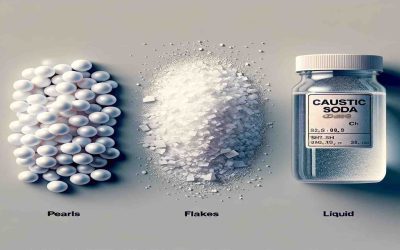
A basic overview about caustic soda, including its uses, role in CIP additives, freezing points, hazards, and price fluctuations.
Alkaline Cleaner vs Acid Cleaner
Discover the technical advantages of using alkaline cleaner vs acid cleaner for various industrial applications.
Clean-in-Place (CIP) systems are crucial for maintaining hygiene and efficiency in industries like food, beverage, pharmaceuticals, and dairy. CIP cleans the insides of equipment without disassembly, saving time and effort.
The CIP process includes pre-rinse, cleaning, post-rinse, and sanitization. First, pre-rinse flushes out loose debris with water. Next, the cleaning stage circulates a chemical solution to remove soil. Then, post-rinse ensures all cleaning agents are washed out. Finally, sanitization eliminates any remaining microorganisms, ensuring equipment is safe.
Key components of a CIP system include tanks for cleaning solutions, pumps for circulation, heat exchangers for temperature control, valves for flow control, and automated control systems. Together, they deliver a consistent, repeatable cleaning cycle, ensuring high hygiene standards and reducing contamination risks.
Understanding CIP basics is vital. Implementing an effective CIP system boosts productivity, improves product quality, and ensures compliance with regulations.