The field of Clean-in-Place (CIP) systems is continually evolving, with new technologies and innovations enhancing the efficiency, effectiveness, and sustainability of cleaning processes. Staying updated with the latest advancements is crucial for industries relying on CIP systems to maintain high hygiene standards.
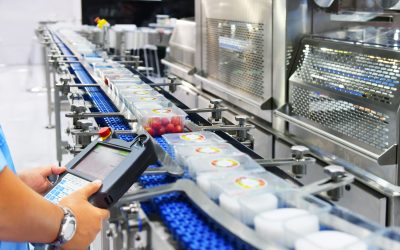
One of the significant technological advancements in CIP systems is automation. Automated CIP systems use programmable logic controllers (PLCs) to control and monitor the cleaning process, ensuring consistent and repeatable cleaning cycles. Automation reduces human error, enhances safety, and improves the efficiency of cleaning operations. Automated systems can be programmed to adjust cleaning parameters such as temperature, flow rate, and chemical concentration, optimizing the cleaning process for different types of equipment and contamination levels.
Eco-friendly CIP solutions are gaining popularity as industries strive to reduce their environmental footprint. These solutions include the use of biodegradable and non-toxic cleaning agents, which minimize the impact on the environment while maintaining high cleaning standards. Additionally, innovations such as membrane filtration and ozone cleaning help reduce water and chemical consumption, making the CIP process more sustainable.
Advanced monitoring and control systems are another area of innovation in CIP technology. These systems use sensors and real-time data analytics to monitor the cleaning process, providing valuable insights into cleaning performance and identifying areas for improvement. Advanced monitoring systems can detect any deviations from the standard cleaning parameters, allowing operators to make immediate adjustments and ensure optimal cleaning efficiency.
Ultrasonic cleaning is an innovative technology that uses high-frequency sound waves to remove stubborn residues from equipment surfaces. This method is particularly effective for cleaning hard-to-reach areas and complex equipment geometries, ensuring thorough cleaning without the need for harsh chemicals.
The development of integrated CIP systems is also a significant advancement. Integrated systems combine cleaning, sanitizing, and monitoring functions into a single unit, streamlining the cleaning process and reducing the need for multiple pieces of equipment. These systems are designed to be more compact and energy-efficient, making them suitable for a wide range of applications.
Sustainable CIP technologies are focused on reducing water and energy consumption. Techniques such as low-flow nozzles, heat recovery systems, and energy-efficient pumps help minimize resource usage while maintaining effective cleaning. Implementing these technologies can lead to significant cost savings and support sustainability goals.
Staying abreast of these technological advancements and innovations in CIP systems can help industries enhance their cleaning processes, improve efficiency, and reduce environmental impact. By adopting the latest CIP technologies, industries can ensure that their equipment is thoroughly cleaned and sanitized, maintaining high standards of hygiene and operational efficiency.